
Netum Barcode Scanner Manual: A Comprehensive Guide
This manual provides detailed instructions for Netum barcode scanners, assisting users in setup, operation, troubleshooting, and maximizing efficiency within POS systems and daily business tasks․
Netum barcode scanners are designed to streamline your operations, offering reliable and efficient data capture for a variety of applications․ From retail point-of-sale systems to inventory management and warehouse logistics, Netum provides solutions tailored to diverse business needs․
These scanners are engineered for speed and accuracy, reducing manual data entry errors and boosting overall productivity․ Netum focuses on delivering durable, user-friendly devices that integrate seamlessly into existing workflows․ This manual will guide you through the process of utilizing your Netum scanner to its full potential, ensuring a smooth and effective implementation․
Expect enhanced efficiency and improved data management with a Netum barcode scanner – a valuable asset for any modern business․
Understanding Barcode Scanner Types Supported by Netum
Netum barcode scanners cater to a broad spectrum of barcode symbologies, ensuring compatibility with virtually all industry-standard codes․ This includes support for common 1D barcodes like UPC, EAN, Code 39, and Code 128, frequently used in retail and logistics․
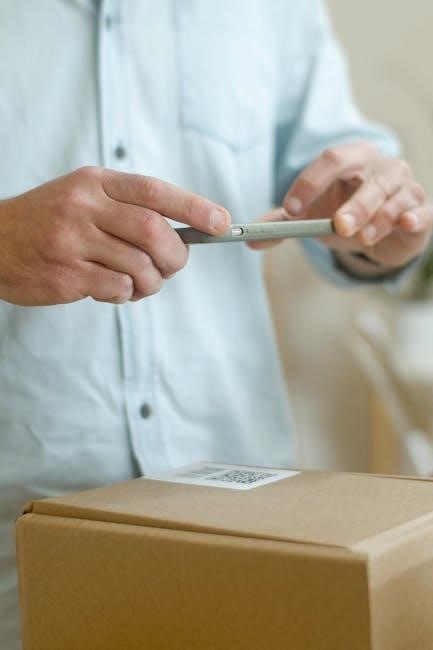
Furthermore, Netum scanners excel in reading 2D barcodes such as QR codes and Data Matrix codes, increasingly popular for their high data density and versatility․ These 2D capabilities are crucial for applications like mobile marketing, ticketing, and direct part marking․
Netum offers models optimized for different scanning needs, from general-purpose handheld scanners to presentation scanners for high-volume checkout counters, guaranteeing a solution for every environment․
Unboxing and Initial Setup
Upon receiving your Netum barcode scanner, carefully inspect the packaging for any signs of damage during transit․ The box should contain the scanner unit itself, a connection cable (USB or wireless dongle, depending on the model), and this user manual․
Before first use, remove all protective films from the scanner window and any included accessories․ Ensure the scanner is fully charged if it’s a wireless model, or connect it to a power source via USB․
Familiarize yourself with the scanner’s buttons and indicators as described in this manual․ A quick visual inspection will help you understand the device’s layout and functionality before proceeding with connection and configuration․
Connecting Your Netum Barcode Scanner
Establishing a connection is crucial for your Netum scanner to function correctly․ This section details the various connection methods supported by your device, ensuring seamless integration with your POS system or computer․ Netum scanners typically offer USB, Bluetooth, and potentially wireless RF connectivity options․
Choose the method that best suits your needs and follow the specific instructions provided in the subsequent subsections․ Proper connection ensures reliable data transmission and optimal scanner performance․ Verify compatibility with your system before proceeding․
Refer to the diagrams and step-by-step guides for each connection type to avoid any potential issues during setup․
USB Connection Guide
For a direct and reliable connection, utilize the USB interface․ Simply plug the provided USB cable into an available USB port on your computer or POS system․ Most Netum scanners are “plug and play,” meaning they should be automatically detected by your operating system without requiring additional drivers․
If driver installation is necessary (indicated by your OS), download the latest drivers from the Netum website․ Ensure the scanner receives power – some models draw power directly from the USB port, while others may require an external power adapter․
Once connected, verify functionality by scanning a barcode․ A successful scan will typically display the barcode data in your application․

Bluetooth Pairing Instructions
To connect wirelessly via Bluetooth, first, ensure your Netum scanner is in pairing mode․ This usually involves pressing and holding a dedicated Bluetooth button until an indicator light flashes․ On your host device (computer, tablet, etc․), navigate to the Bluetooth settings․
Initiate a device search; your Netum scanner should appear in the list of available devices․ Select the scanner to begin the pairing process․ You may be prompted to enter a pairing code – typically “0000” or “1234” if required;
Once paired, the indicator light on the scanner will usually become solid․ Test the connection by scanning a barcode․
Wireless (RF) Setup – If Applicable
For Netum scanners utilizing 2․4GHz RF wireless technology, a USB receiver dongle is typically included․ Plug the receiver into an available USB port on your computer․ Ensure the scanner and receiver are powered on․ The scanner may automatically connect; if not, a pairing process is required․
Locate the pairing button on both the scanner and the receiver (refer to the scanner’s diagram)․ Press and hold the pairing buttons simultaneously until an indicator light confirms pairing․
Successful pairing is indicated by a solid light․ Test the connection by scanning a barcode to verify data transmission․
Decoding Barcode Symbologies
Netum barcode scanners are engineered for versatile decoding, supporting a wide array of barcode types crucial for modern inventory and POS systems․ Understanding supported symbologies ensures seamless operation across diverse applications․
The scanner’s ability to accurately interpret barcode data relies on its compatibility with industry standards; Netum scanners excel at reading both common and specialized barcode formats, minimizing errors and maximizing efficiency․
Refer to the following sections for detailed lists of supported 1D and 2D barcode types, enabling you to confirm compatibility with your specific barcode needs․
Supported 1D Barcode Types
Netum scanners reliably decode numerous 1D (linear) barcode symbologies, essential for retail, warehousing, and asset tracking․ These barcodes represent data in a single row of varying widths․
Commonly supported 1D types include: UPC-A, UPC-E, EAN-13, EAN-8, Code 39, Code 93, Code 128, Interleaved 2 of 5, and ITF․ The scanner’s firmware is optimized for quick and accurate reading of these prevalent formats․
For less common 1D symbologies, consult the Netum support website for compatibility details and potential firmware updates․ Ensuring your barcodes are within specification is vital for optimal performance․
Supported 2D Barcode Types (QR, Data Matrix etc․)
Netum barcode scanners excel at reading 2D barcodes, offering increased data density compared to 1D codes․ These are frequently used for mobile ticketing, marketing, and inventory management․
Supported 2D symbologies include: QR Code, Data Matrix, PDF417, Aztec Code, and MaxiCode․ The scanner’s imaging technology allows for rapid decoding even with damaged or poorly printed 2D barcodes․
For optimal scanning, ensure sufficient lighting and proper barcode presentation․ Refer to the Netum website for detailed specifications regarding 2D barcode size and quality requirements for reliable performance․
Configuring Scan Settings
Netum scanners offer customizable settings to optimize performance for specific applications․ Access these settings via the included configuration software or by scanning specific barcode commands detailed in the full manual․
Key configurable options include: scan volume adjustment, feedback tone control (beeps), prefix/suffix character addition, and auto-enter/tab functionality․ These adjustments streamline data input and integration with various software systems․
Proper configuration ensures accurate and efficient barcode scanning, minimizing errors and maximizing productivity․ Experiment with different settings to find the optimal setup for your unique workflow․
Adjusting Scan Volume and Feedback
Netum scanners allow users to customize the scan volume and auditory feedback․ The scan volume controls the loudness of the beep confirming a successful read, adjustable via the configuration software or barcode commands․
Feedback options include enabling or disabling the beep, changing the beep duration, and even selecting different beep tones․ These settings are crucial for noisy environments or situations requiring discreet scanning․
Adjusting these parameters ensures clear confirmation of successful scans without causing disruption․ Refer to the detailed manual for specific barcode command sequences to modify these settings directly through scanning․
Modifying Prefix and Suffix Characters
Netum barcode scanners offer the flexibility to add prefix and suffix characters to scanned data; This feature is invaluable for data formatting and integration with existing systems, allowing for customized data streams․
Prefixes are characters added before the scanned barcode data, while suffixes are added after․ Common uses include adding a tab character for spreadsheet input or a specific code identifying the scanning location․
Configuration is typically done through the scanner’s software or by scanning specific barcode commands․ Detailed instructions and a list of available commands are provided in the comprehensive Netum manual for seamless integration;
Setting Up Auto-Enter/Tab Functionality
Netum scanners streamline data entry with auto-enter and tab functionality․ These features automatically simulate pressing the ‘Enter’ or ‘Tab’ key after each successful scan, eliminating manual keystrokes and boosting efficiency․
Auto-enter is ideal for applications requiring immediate data submission after each scan, like form completion․ Conversely, auto-tab moves the cursor to the next field in a form, perfect for sequential data input․
Configuration is usually achieved through the scanner’s software interface or by scanning specific programming barcodes․ Refer to the Netum manual for detailed steps and customization options to optimize workflow․
Troubleshooting Common Issues
Encountering problems with your Netum scanner? This section addresses frequent issues․ If the scanner fails to read barcodes, ensure the barcode is undamaged, properly illuminated, and within the scanner’s range․ Clean the scanner window regularly for optimal performance;
Connection difficulties (USB, Bluetooth, or RF) often stem from loose cables, driver issues, or pairing problems․ Verify connections, reinstall drivers, and re-pair Bluetooth devices․
Incorrect data transmission can be resolved by checking barcode symbology settings and ensuring they match the scanned barcode type․ Consult the manual for detailed troubleshooting steps․
Scanner Not Reading Barcodes
If your Netum scanner isn’t reading barcodes, several factors could be at play․ First, verify the barcode itself isn’t damaged, obscured, or poorly printed․ Ensure adequate lighting; insufficient or excessive light can hinder scanning․ The scanner window must be clean – use a soft, lint-free cloth․
Check the scanning distance; barcodes need to be within the scanner’s optimal range․ Confirm the correct barcode symbology is enabled in the scanner’s settings․ Finally, test with multiple barcodes to isolate whether the issue is scanner-related or barcode-specific․
Connection Problems (USB/Bluetooth/RF)
Experiencing connection issues with your Netum scanner? For USB connections, ensure the cable is securely plugged into both the scanner and your computer․ Try a different USB port․ With Bluetooth, confirm Bluetooth is enabled on your host device and the scanner is in pairing mode․
For RF (Wireless) scanners, check battery levels and ensure the receiver is properly connected․ Interference from other wireless devices can also cause problems․ Restarting both the scanner and the host device often resolves temporary glitches; Consult the specific connection guide for detailed steps․
Incorrect Data Transmission
If your Netum scanner transmits incorrect data, first verify the barcode symbology is supported (see Decoding Barcode Symbologies section)․ Incorrect scan settings, like mismatched prefix/suffix characters, can also cause errors․ Double-check your configuration settings․
Ensure the barcode is clean and undamaged, as poor quality barcodes can lead to misreads․ Test with several different barcodes to isolate the issue․ If the problem persists, a firmware update might be necessary․ Contact Netum support for assistance if troubleshooting steps fail to resolve the data transmission inaccuracies․
Cleaning and Maintenance
Regular cleaning ensures optimal performance of your Netum barcode scanner․ Disconnect the scanner before cleaning․ Use a soft, slightly damp (with water or isopropyl alcohol) cloth to wipe the scanner’s exterior․ Avoid abrasive cleaners or excessive moisture, which can damage the device․
Pay particular attention to the scan window, removing any dust or debris that may obstruct the laser or imaging sensor․ For stubborn residue, gently use a cotton swab dampened with isopropyl alcohol․ Store the scanner in a clean, dry environment when not in use to prevent dust accumulation and maintain its longevity․
Firmware Updates and Software
Maintaining up-to-date firmware is crucial for optimal Netum scanner performance and compatibility․ Visit the official Netum website to check for available firmware updates and download the latest version․ Follow the provided instructions carefully during the update process to avoid any potential issues․
Netum may also offer dedicated software for advanced configuration and data management․ This software allows users to customize scan settings, manage barcode symbologies, and troubleshoot potential problems; Regularly checking for software updates ensures access to the newest features and bug fixes, enhancing the overall user experience․
Netum Barcode Scanner Specifications
Netum barcode scanners are engineered for reliable performance․ Key specifications include support for both 1D and 2D barcode symbologies, ensuring versatility across various applications․ Scan distance typically ranges from 3 to 10 inches, depending on the model and barcode density․
Connectivity options generally encompass USB, Bluetooth, and potentially RF wireless, offering flexible integration with different systems․ Durable construction, often featuring IP ratings for dust and water resistance, ensures longevity․ Power consumption is optimized for extended use, and scanners adhere to relevant safety and regulatory standards․
Safety Precautions and Regulatory Information
To ensure safe operation, avoid direct eye exposure to the scanning laser or illumination source․ Do not disassemble the scanner, as this may result in damage or electrical shock․ Keep the scanner dry and away from extreme temperatures․
Netum barcode scanners comply with relevant regulatory standards, including FCC, CE, and RoHS certifications․ These certifications ensure electromagnetic compatibility and adherence to environmental regulations regarding hazardous substances․ Refer to the product label or packaging for specific compliance information․ Proper disposal of electronic waste is crucial; follow local regulations for recycling․
Warranty Information and Support Resources
Netum offers a standard one-year warranty against defects in materials and workmanship from the date of purchase․ This warranty covers repair or replacement of the scanner, at Netum’s discretion․ Damage caused by misuse, accidents, or unauthorized modifications is not covered․
For technical support, troubleshooting assistance, and frequently asked questions, please visit the Netum website at [insert website address here]․ You can also contact our customer support team via email at [insert email address here] or by phone at [insert phone number here]․ Detailed user manuals and software downloads are readily available online, ensuring a seamless user experience․