
Frigidaire Oven Manual: A Comprehensive Guide
Navigating this manual ensures optimal Frigidaire oven performance. Locating your oven’s model number is key for parts, troubleshooting, and accessory selection, often found on the frame.
Understanding Your Frigidaire Oven
Your Frigidaire oven is designed for reliable performance, but maximizing its potential requires familiarization with its features and operation. Before first use, carefully review this manual to understand the various settings, safety precautions, and maintenance procedures. Knowing your oven’s specific model number – crucial for accurate information – allows access to tailored support and replacement parts when needed.
This guide will walk you through everything from basic baking and broiling to advanced features like convection cooking and self-cleaning cycles. Understanding the control panel, including the display and lock functions, is essential for effortless operation. Remember, part testing and repair procedures differ between models, so always refer to information specific to your unit.
Locating the Model Number
Finding your Frigidaire oven’s model number is a vital first step for accessing support, ordering parts, or finding compatible accessories. This unique identifier ensures you receive information tailored to your specific appliance. Typically, the model number is located on a label affixed to the oven frame, often around the door opening.
Check along the sides of the oven cavity, as well as the top surface. If you still possess the original owner’s manual, the model number will be prominently displayed on the front or back cover. Remember, accurate identification is crucial; part testing and repair procedures aren’t universal and depend on the specific model.
Where to Find the Model Number on Your Oven
To pinpoint your Frigidaire oven’s model number, begin by thoroughly inspecting the area around the oven door. The label is frequently attached to the frame itself, either on the left or right side. Don’t overlook the top of the oven – a label may be affixed there as well. For pedestal drawer models, the model number can be found along the side of the drawer when fully extended.
If you’re still unable to locate it, consult your original documentation. The model and serial numbers are typically printed on the front or back cover of the owner’s manual. Accurate identification is paramount for effective troubleshooting and parts ordering.
Oven Control Panel Overview
The Frigidaire oven control panel is your central hub for managing cooking functions. Familiarizing yourself with its layout is essential for efficient operation. The display provides crucial information, including temperature settings, cooking time remaining, and selected modes like Bake, Broil, or Roast. Understanding the display’s indicators will help you monitor the cooking process effectively.
Furthermore, Frigidaire ovens often incorporate Control Lock features to prevent accidental operation, particularly important in households with children. These features disable the buttons, ensuring safety and preventing unwanted changes to your settings. Explore these options within your specific model’s manual.
Understanding the Display
The Frigidaire oven display is a vital source of information during operation. It clearly shows the set temperature, remaining cook time, and the currently selected cooking mode – whether it’s Bake, Broil, Roast, or a specialized function like Convection. Pay attention to indicator lights; these signal preheating completion, active cooking, and the status of features like the Control Lock.
Some models feature a clock display, and error codes may appear to indicate potential issues. Refer to the troubleshooting section of this manual to decipher these codes. A well-understood display empowers you to confidently monitor and adjust your cooking process for optimal results.
Control Lock Features
Frigidaire ovens often include Control Lock features designed for safety and peace of mind. These prevent unintended oven operation, particularly important in households with children. Typically, a combination of button presses activates the control lock, disabling the control panel. The display will usually indicate when the lock is engaged, often with a padlock icon.
To unlock, repeat the button combination. Remember that the control lock doesn’t disconnect the oven from power; it simply prevents manual adjustments. Always disengage the lock before attempting to operate the oven. Consult your specific model’s instructions for the precise lock/unlock procedure.
Basic Oven Operation
Operating your Frigidaire oven begins with understanding its core functions. Before cooking, ensure the oven is empty of any stored items. Preheating is crucial for accurate baking; allow sufficient time for the oven to reach the desired temperature. Setting the temperature is done via the control panel, using the up/down arrows or numeric keypad.
Bake is for general cooking, Broil for direct, high-heat searing, and Roast for larger items needing even cooking. Always refer to your recipe for specific temperature and time recommendations. Familiarize yourself with the oven’s indicator lights to monitor preheating and operation status.
Preheating the Oven
Proper preheating is essential for consistent baking results with your Frigidaire oven. Begin by selecting your desired bake temperature using the control panel. The oven will initiate the preheating process, and the display will indicate its progress, often with a preheat indicator light. Allow ample time – typically 10-15 minutes – for the oven to reach the set temperature before placing food inside.
Avoid opening the oven door during preheating, as this releases heat and prolongs the process. Once the preheat indicator signals completion, your oven is ready for baking. Accurate temperature is vital for recipe success, so ensure full preheating before starting.
Setting the Temperature
Adjusting the oven temperature is straightforward using the control panel. Utilize the up and down arrow keys, or the numeric keypad if equipped, to input your desired baking temperature. The display will clearly show the set temperature. For precise cooking, always refer to your recipe’s specified temperature. Remember that oven temperatures can vary slightly, so it’s wise to verify accuracy with an oven thermometer if needed.
Some Frigidaire models offer temperature adjustment features, allowing for minor calibration. Ensure the temperature is correctly set before preheating to guarantee optimal cooking performance and consistent results.
Using Bake, Broil, and Roast Settings
Frigidaire ovens offer versatile cooking options with Bake, Broil, and Roast settings. The Bake setting is ideal for general cooking, utilizing heat from the bottom element. Broil uses intense heat from the top element, perfect for browning or quickly cooking foods – always keep the oven door slightly ajar during broiling.
The Roast setting employs both top and bottom elements, providing consistent heat for larger items like meats. Select the desired setting on the control panel, set the temperature, and cooking time. Always consult recipes for specific setting recommendations and ensure proper food placement for optimal results.
Advanced Oven Features
Frigidaire ovens boast several advanced features enhancing cooking convenience. Convection Baking utilizes a fan to circulate hot air, ensuring even cooking and faster preheating – ideal for multiple racks. The Self-Cleaning Cycle simplifies oven maintenance, heating to high temperatures to burn off residue; remove racks before initiating.
For precise cooking, utilize the Temperature Probe, inserting it into the food to monitor internal temperature and automatically shut off the oven when desired doneness is reached. Explore these features to unlock your oven’s full potential and achieve professional-quality results with ease.
Convection Baking Explained
Convection baking distinguishes itself from traditional baking through the use of a fan to actively circulate hot air throughout the oven cavity. This consistent airflow eliminates hot and cool spots, resulting in remarkably even cooking, even when utilizing multiple oven racks simultaneously. Preheating times are often reduced with convection, saving valuable time during meal preparation.
For optimal results, slightly reduce the baking temperature by 25°F when using convection. This prevents over-browning and ensures food remains moist. Convection is particularly beneficial for roasting meats, baking cookies, and achieving crispy textures.
Self-Cleaning Cycle Instructions
Frigidaire ovens feature a self-cleaning cycle utilizing high temperatures to burn off food residue. Before initiating, remove oven racks, cookware, and any loose debris. Ensure the oven door can fully lock; do not attempt to open it during the cycle. Select the self-clean option on the control panel, choosing the desired cycle length (typically 2-4 hours).
A strong odor may be present during operation – adequate ventilation is crucial. Once complete, allow the oven to cool completely before opening. Wipe away any remaining ash with a damp cloth. Avoid using oven cleaners alongside the self-clean function.
Temperature Probe Usage
Frigidaire ovens with a temperature probe allow for precise cooking, especially for larger cuts of meat. Insert the probe into the thickest part of the food, avoiding bone or fat. Connect the probe to the oven’s designated port. Set the desired final internal temperature on the control panel; the oven will automatically shut off when reached.
Ensure the probe wire remains clear of heating elements. Clean the probe with warm, soapy water after each use. Do not immerse the probe handle in water. Proper probe placement guarantees accurate temperature monitoring and perfectly cooked meals, enhancing your culinary experience.
Troubleshooting Common Issues
Encountering issues with your Frigidaire oven can be frustrating, but many problems have simple solutions. If the oven isn’t heating, check the power supply and ensure the control panel is properly set. Error codes displayed indicate specific malfunctions; consult the full manual for detailed explanations of each code.
Self-clean cycle problems often stem from a locked door or excessive debris. Always remove racks and cookware before initiating the cycle. If issues persist, disconnect power and contact a qualified technician. Addressing these common concerns promptly ensures continued oven functionality and safe operation.
Oven Not Heating
If your Frigidaire oven fails to heat, begin by verifying the power supply – ensure it’s securely plugged in and the circuit breaker hasn’t tripped. Next, double-check the control panel settings; confirm the correct bake or broil function is selected and the temperature is appropriately set. A faulty igniter (gas ovens) or heating element (electric ovens) are common culprits.
Inspect these components for visible damage. If no obvious issues are found, a malfunctioning oven control board could be the cause. For safety, disconnect power before any inspection. If you’re uncomfortable with electrical repairs, contact a qualified appliance technician for assistance.
Error Codes and Their Meanings
Frigidaire ovens utilize error codes to diagnose internal issues, displayed on the control panel. While specific codes vary by model, common ones indicate problems like a faulty temperature sensor (F2, F3), a failed heating element (E0, E1), or issues with the control board (F10). A “Locked” or “Control Lock” message signifies accidental activation of the control lock feature.
Consult your oven’s specific model manual for a complete list of error codes and their corresponding solutions. Often, simply turning the oven off and on again can reset minor errors. However, persistent codes usually require professional appliance repair service to accurately diagnose and resolve the underlying problem.
Self-Clean Cycle Problems
Frigidaire oven self-clean cycles can sometimes encounter issues. A common problem is the door locking mechanism failing, preventing the cycle from starting or finishing. Error codes like F1 or F2 often relate to this. Smoke during the cycle can indicate excessive food residue; removing large debris beforehand is crucial.
If the cycle fails to complete, or an error persists, ensure proper ventilation and that the oven is free of foil or cookware. A burning smell might suggest a faulty heating element. Always allow the oven to cool completely before attempting to unlock the door manually. If problems continue, professional service is recommended;
Safety Precautions
Prioritizing safety when using your Frigidaire oven is paramount. Always exercise caution during and after operation, as surfaces become extremely hot. Never allow children near a hot oven, and supervise their presence in the kitchen. Avoid using harsh abrasives or scouring pads that could damage the oven’s interior or exterior.
Be mindful of potential fire hazards; never store flammable materials within the oven. Crucially, ensure adequate ventilation to prevent carbon monoxide buildup, especially with gas ovens. Regularly inspect the oven’s cord and connections for damage. Disconnect the oven from power before cleaning or performing maintenance.
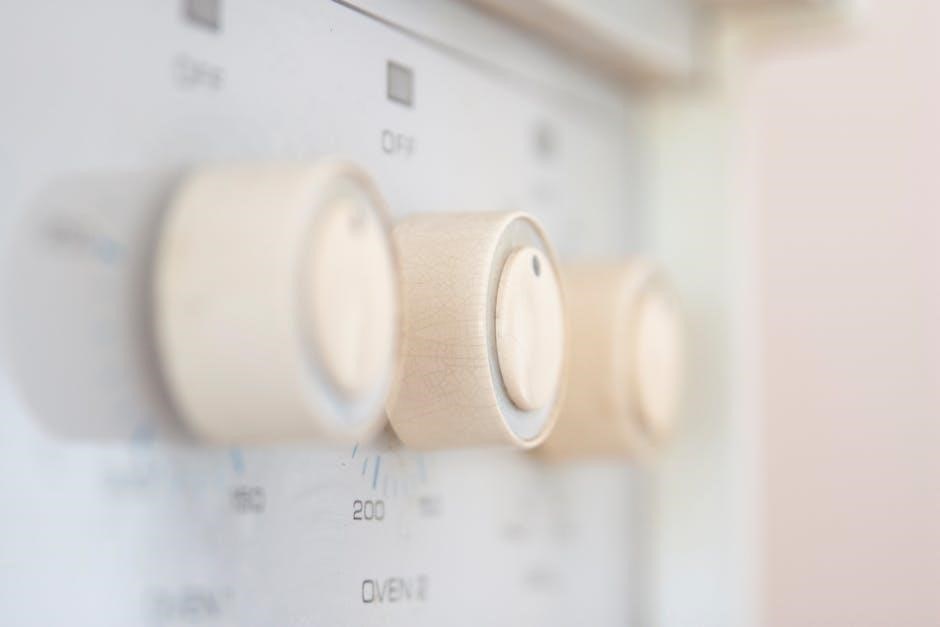
General Oven Safety Guidelines
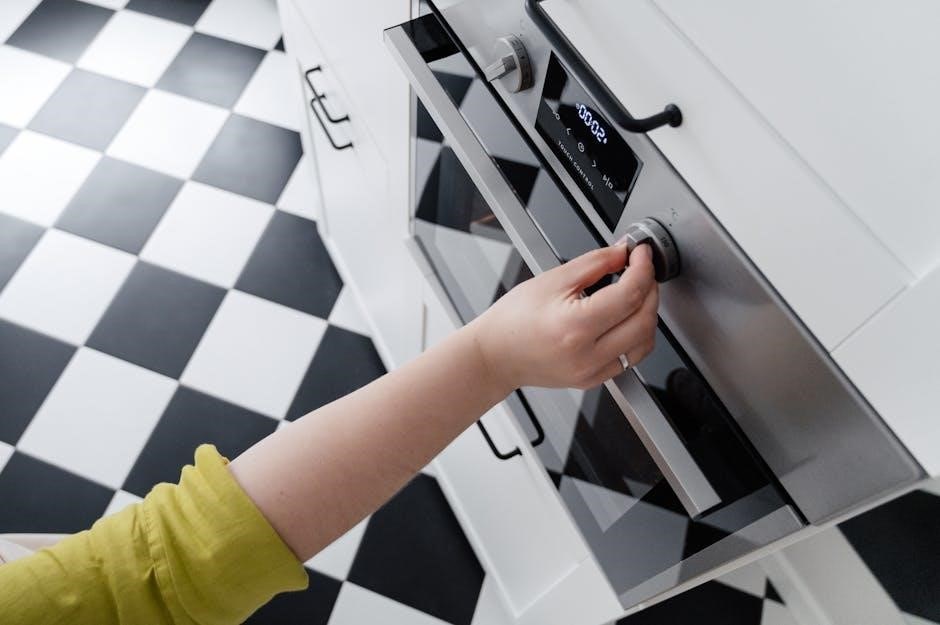
Operating your Frigidaire oven safely requires consistent awareness. Always use oven mitts or pot holders when handling hot cookware. Never touch heating elements or the interior surfaces during or immediately after use. Avoid placing heavy objects on the open oven door, as this could cause damage or injury.
Ensure proper ventilation in the kitchen during oven operation. Do not line the oven floor with aluminum foil, as this can trap heat and cause a fire hazard. Regularly inspect the oven door seal for damage and replace if necessary. Keep the oven area free from combustible materials. Supervise children closely when the oven is in use.
Carbon Monoxide Warnings
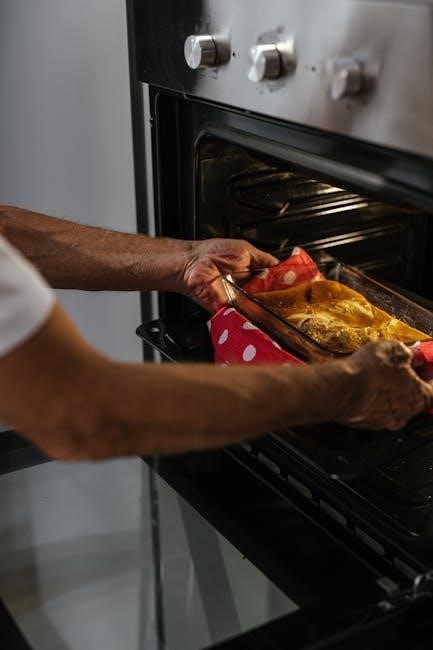
Gas ovens produce carbon monoxide, an odorless, colorless gas. Ensure proper ventilation when using a gas oven; always operate the exhaust fan or open a window. Install carbon monoxide detectors near the kitchen and sleeping areas to alert you to dangerous levels.
Recognize the symptoms of carbon monoxide poisoning: headache, dizziness, weakness, nausea, vomiting, chest pain, and confusion. If you suspect carbon monoxide poisoning, immediately evacuate the premises and call emergency services. Never ignore a carbon monoxide detector alarm. Regular professional inspection of your gas oven is crucial for safe operation and to prevent leaks.
Cleaning and Maintenance
Regular cleaning extends your Frigidaire oven’s lifespan and ensures optimal performance. For the interior, avoid abrasive cleaners; instead, use a mild dish soap and warm water solution. Clean spills immediately to prevent baked-on residue. The oven door can be cleaned similarly, paying attention to the glass surface.
Maintain the control panel with a damp cloth, avoiding excessive moisture. For stubborn stains, a specialized appliance cleaner may be used. Always disconnect power before any maintenance. Periodic self-cleaning cycles (if equipped) simplify deep cleaning, but follow the instructions carefully. Consistent upkeep prevents issues and keeps your oven functioning efficiently.
Cleaning the Oven Interior
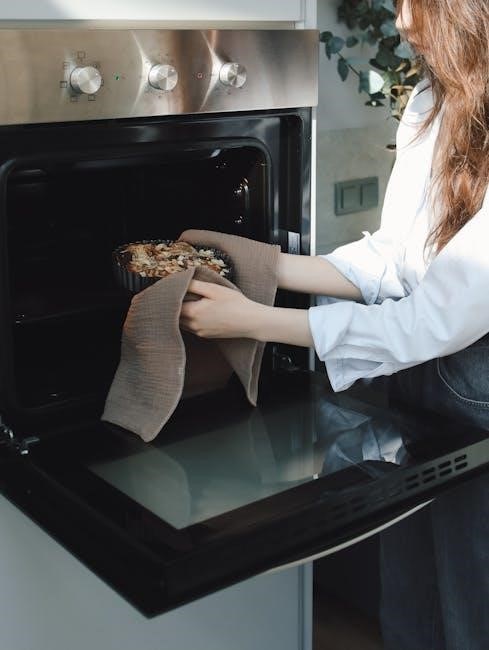
To effectively clean the oven interior, begin by removing racks and baking stones. Create a paste of baking soda and water, applying it generously to all interior surfaces, avoiding heating elements and vents. Allow the paste to sit for several hours, or overnight for stubborn grime.
Next, wipe away the paste with a damp cloth, rinsing frequently. For remaining residue, use a mild dish soap solution. Avoid abrasive cleaners, as they can damage the oven’s finish. Ensure all traces of cleaner are removed before using the oven. Regular interior cleaning prevents buildup and maintains optimal cooking performance.
Cleaning the Oven Door

Cleaning the oven door requires a gentle approach to avoid scratches. Begin with a warm, soapy water solution and a soft cloth, wiping down the glass surface thoroughly. For baked-on spills, create a paste of baking soda and water, applying it to the affected areas and letting it sit for a short period.
Gently scrub with a non-abrasive sponge, then rinse clean. If your oven door has removable glass panels, consult your model’s specific instructions for safe removal and cleaning. Avoid using harsh chemicals or abrasive cleaners, as these can damage the glass or the door’s finish. Regular cleaning keeps your oven door sparkling.
Maintaining the Control Panel
Preserving the functionality of your Frigidaire oven’s control panel is crucial for long-term use. Regularly wipe down the surface with a slightly damp, soft cloth to remove any spills or splatters. Avoid excessive moisture, ensuring the cloth is wrung out well before cleaning.
Never use abrasive cleaners or scouring pads, as these can scratch or damage the panel’s finish and potentially affect the buttons’ responsiveness. For stubborn residue, a mild dish soap solution can be used sparingly, followed by a clean, damp wipe. Ensure the panel is completely dry before operating the oven.
Specific Model Variations
Frigidaire ovens exhibit variations based on fuel type – gas or electric – impacting operation and maintenance. Gas ovens require professional inspection of burners and gas connections for safe functionality, while electric ovens focus on element integrity.
Certain models feature specialized controls or cooking modes not present in all versions. Always refer to the specific instructions included with your oven model. Understanding these differences ensures correct usage and prevents potential issues. Consult the model number to access tailored documentation and support resources for your particular Frigidaire oven.
Gas Oven Specifics
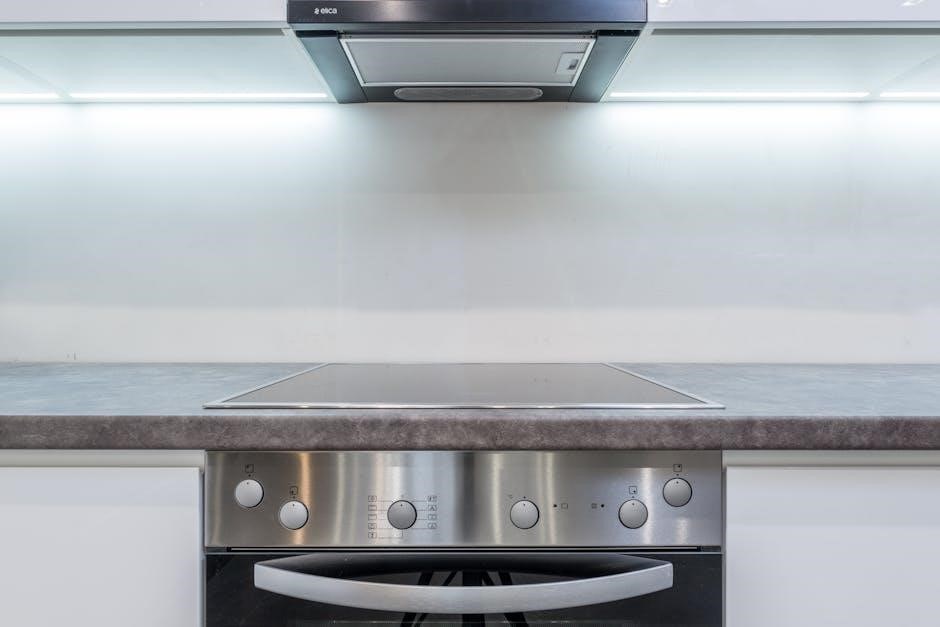
Gas Frigidaire ovens necessitate careful attention to burner functionality and gas line safety. Regularly inspect burners for consistent flame and proper ignition; uneven flames indicate potential issues requiring professional attention. Ensure adequate ventilation during operation to prevent carbon monoxide buildup, a serious safety hazard.
Cleaning gas burners involves removing and soaking them in warm, soapy water. Never use abrasive cleaners that could damage the burner ports. Always verify the gas supply valve is off before performing any maintenance. Professional inspection of gas connections is recommended annually to ensure safe and efficient operation.
Electric Oven Specifics
Electric Frigidaire ovens rely on heating elements for consistent baking and broiling. Regularly check the heating elements for any signs of damage, such as blistering or breakage; a faulty element will impact oven performance. Ensure the oven is disconnected from power before inspecting or replacing elements for safety.
Cleaning electric oven elements can be done carefully with a damp cloth once cooled. Avoid harsh abrasives. If an element fails, replacement requires matching the correct part number for your specific model. Proper grounding is crucial for electric oven safety; consult a qualified technician for any electrical concerns.
Parts and Accessories
Finding replacement parts for your Frigidaire oven is simplified with your model number. Online retailers and authorized Frigidaire parts distributors offer a wide selection, including heating elements, control panels, and door components. Always verify compatibility before purchasing to ensure a proper fit and function.
Compatible accessories can enhance your cooking experience. These include oven racks, baking stones, and temperature probes. Genuine Frigidaire accessories are designed for optimal performance and safety. When ordering parts, prioritize official sources or reputable suppliers to avoid counterfeit or substandard components that could damage your oven.
Finding Replacement Parts
Securing genuine Frigidaire replacement parts begins with your oven’s model number – a crucial identifier for compatibility. Numerous online retailers specialize in appliance parts, offering a vast inventory. Authorized Frigidaire parts distributors provide guaranteed authenticity and support. Before ordering, carefully compare the part number and description to your oven’s specific needs.
Consider reputable suppliers to avoid counterfeit components. Websites often feature diagrams and parts lists tailored to your model. When in doubt, consult Frigidaire’s official website or customer service for assistance; Proper installation is vital; if unsure, seek professional repair services to ensure safety and functionality.
Compatible Accessories
Enhance your Frigidaire oven’s capabilities with compatible accessories designed for optimal performance. These include oven racks, baking stones, broiler pans, and digital thermometers. Consider a convection conversion kit if your model lacks convection features, improving baking consistency. Protective floor mats safeguard your kitchen flooring from spills and heat.
Explore specialized accessories like roasting racks for poultry or pizza stones for achieving crispy crusts. Always verify accessory compatibility with your specific oven model number before purchasing. Frigidaire’s website and authorized retailers offer a curated selection of tested and approved accessories, ensuring a perfect fit and reliable operation.
Warranty Information
Your Frigidaire oven is covered by a limited warranty protecting against manufacturing defects in materials and workmanship. The standard warranty typically covers parts and labor for one year from the original purchase date. Extended warranties are often available for purchase, offering additional coverage for extended periods.
Carefully review your warranty documentation for specific terms, conditions, and exclusions. Registering your appliance promptly after purchase streamlines the claims process. To file a warranty claim, retain proof of purchase and contact Frigidaire’s customer support or visit their website for detailed instructions and claim forms.
Understanding Your Frigidaire Oven Warranty
The Frigidaire oven warranty provides coverage for defects in materials or workmanship under normal household use. Typically, the limited warranty spans one year from the original purchase date, encompassing both parts and labor. However, specific coverage details—like what’s excluded—vary by model and purchase location.
Crucially, the warranty doesn’t cover damage resulting from misuse, improper installation, accidents, or natural disasters. Maintaining proof of purchase is essential for any claim. Extended warranty options are frequently available, offering longer-term protection beyond the standard coverage period. Always consult the full warranty document for complete details.
How to File a Warranty Claim
To initiate a warranty claim for your Frigidaire oven, first gather your original purchase receipt or other proof of purchase, alongside the oven’s model and serial number. Contact Frigidaire’s customer service department via phone or their website to report the issue and obtain a claim number.
You may be asked to provide detailed information about the problem, and potentially photos or videos demonstrating the defect. A qualified Frigidaire authorized service technician might be dispatched to inspect the oven. Keep all communication records and documentation throughout the process.